

“Grounded in Faith. Growing in Knowledge.”
The mission at CVA is to Provide a nurturing Islamic environment that fosters strong faith, academic excellence, and
a deep sense of moral and social responsibility.
Academics
We provide Early Childhood Education (ECE), Elementary, Middle School, High School, and Hifz Programs.
Islamic Identity
Students attend Friday congregational prayer. Students visit the Musala on a daily basis, to offer the mid-afternoon group prayer.
Cafeteria
Hot lunch is provided five days a week for CVA students. Weekly menu is provided to families for ordering.
Clubs
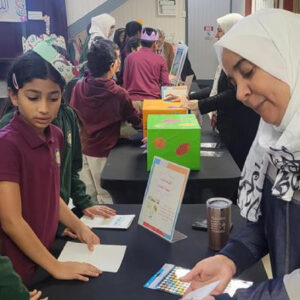
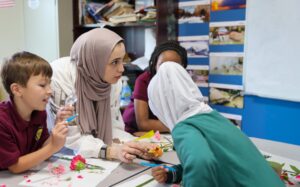
We believes that every student should be given the opportunity to explore his or her personal interests. CVA provides a wide range of clubs and activities to supplement the academic program and school mission.
Staff
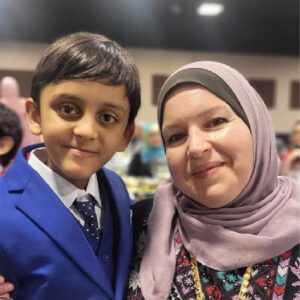
Our staff is committed to helping students attain educational goals and nurturing them with life skills and moral values that will influence their characters and long-term goals.
Our Community in Action
Support CVA Ramadan 2026 Campaign
During the blessed month of Ramadan, join us in acts of enduring generosity. Support what sustains and strengthens our community: renovating our first building for future generations and easing financial hardship for families in need.
May Allah accept our efforts and multiply their impact.
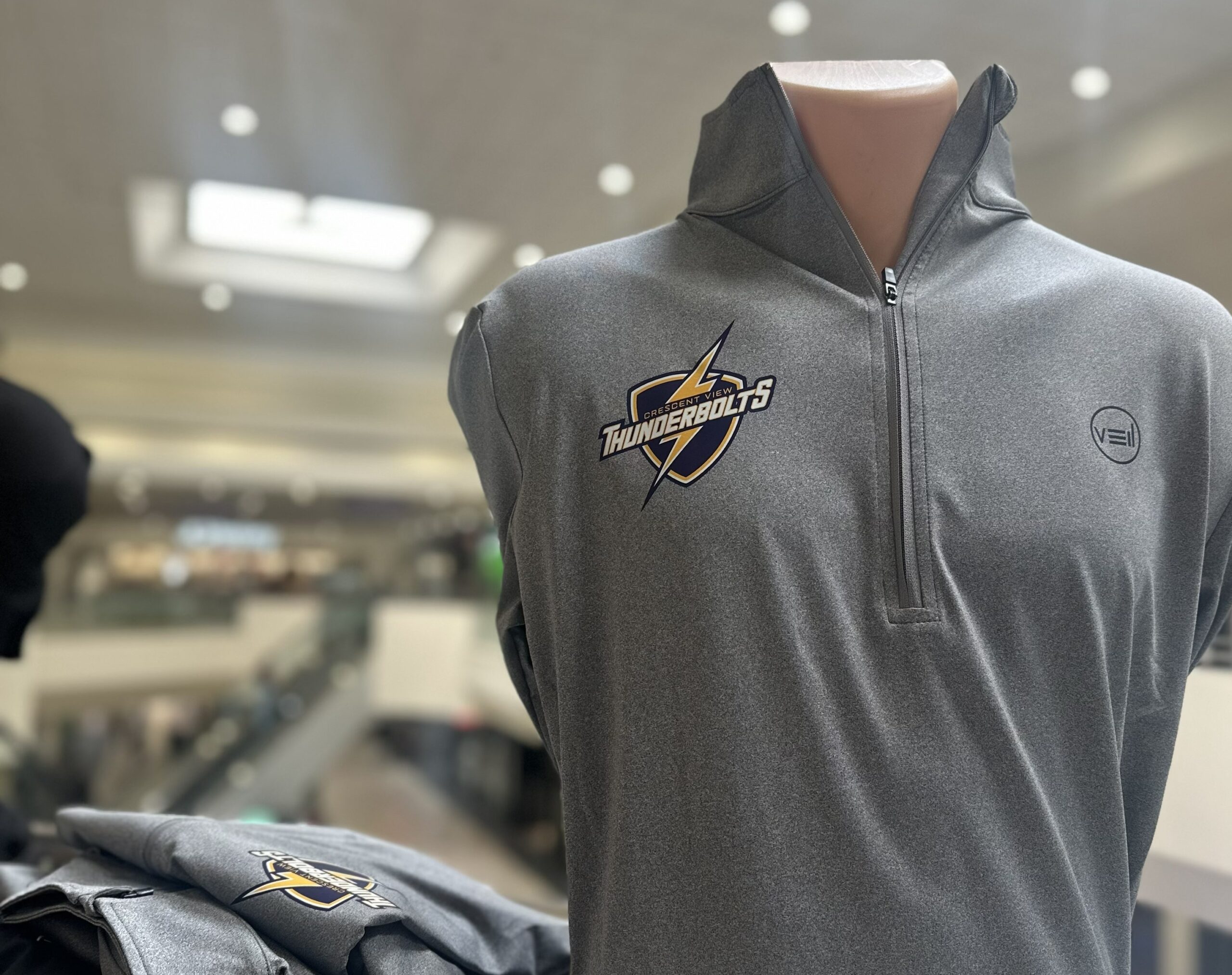
Girls’ Golf Team Now Competing!
CVA is proud to announce that in addition to boys’ basketball, we have added girls’ golf to our athletic offering. The girls’ team has begun practices and competition. This is a major step towards stengthening the athletic program, earning state classification and allowing our student athletes compete at the highest level. Learn more about CVA athletics below!
Join CVA 2026 Enrollment Campaign
Discover a nurturing Islamic environment where faith, knowledge, and responsibility guide students toward academic success and strong character.
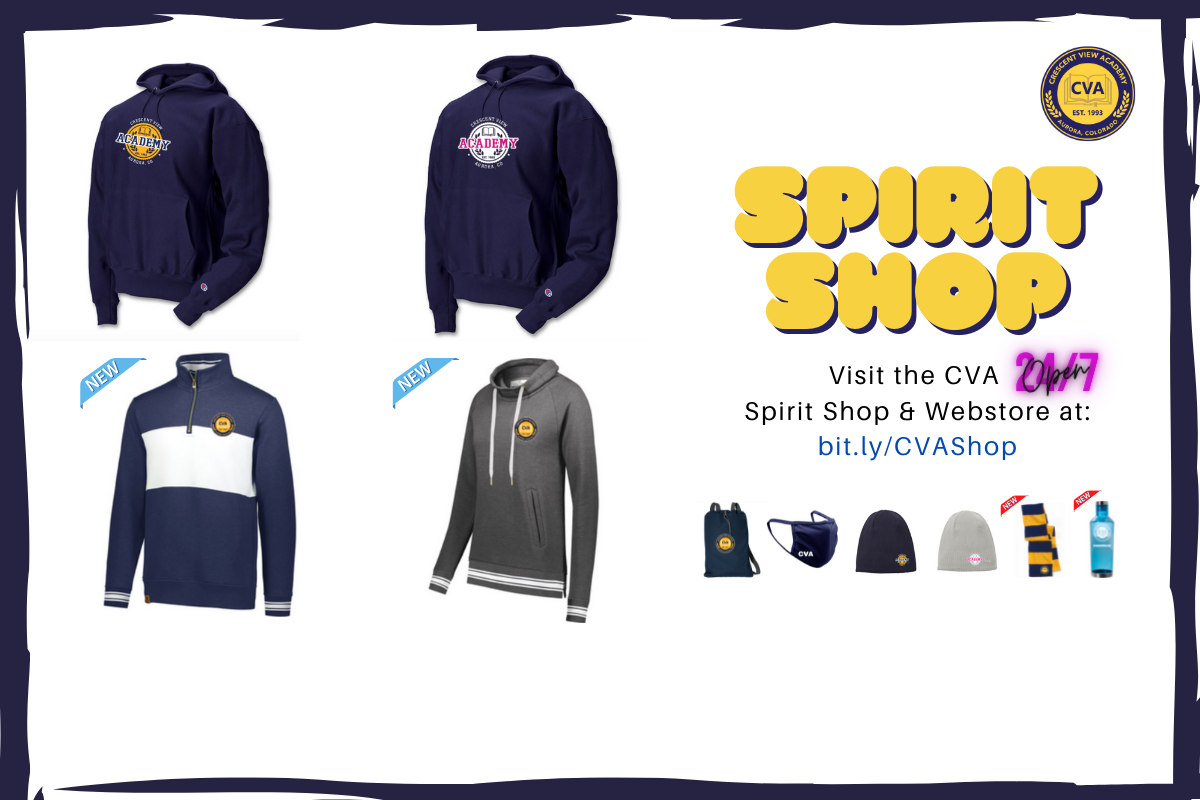
CVA Uniforms
Click below to shop for CVA uniforms. Educational Outfitters is the store location where you can purchase, try on items, and make returns on unworn items.
Address: 159 W County Line Rd, Littleton, CO 80129
Phone: (720) 200-6666
Hours: Mon-Thurs 10am-6pm, Sat 10am-3pm; Closed Thurs, Fri, Sunday
Our Accreditations
We are a full-time accredited private Islamic school, kindergarten through 12th grade. We are accredited by AdvancEd and the North Central Association of Colleges and Schools (NCA), one of six regional accrediting associations recognized by the U.S. Department of Education as well as the Council of Islamic Schools in North America (CISNA). CVA is also a member of the Islamic Schools League of America (ISLA).